Name: 766-year-old tree
Year: Spring 2026
Weight: loose leaves/maocha
Origin: Wawee Organic Tea Farm, Mae Suai, Thailand
Details:
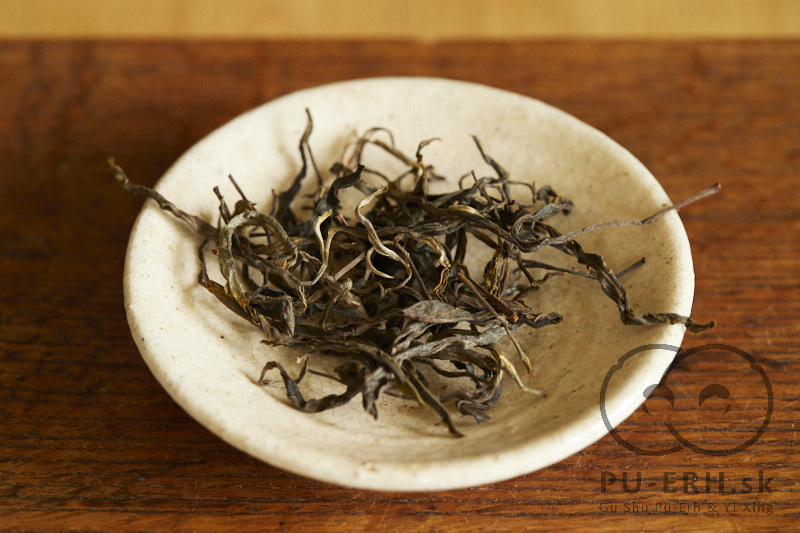
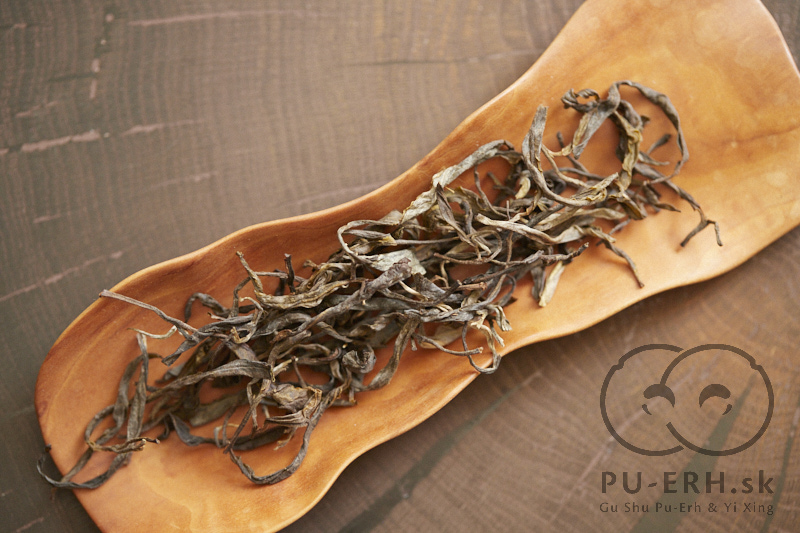
These are the very same leaves used to produce the limited-edition pu-erh bing cakes from the second-oldest (maybe third) tea tree in Veian’s organic tea gardens. As some tea lovers enjoy experiencing fresh maocha in its pure, uncompressed form, I decided to leave a small portion of the harvest unpressed rather than transforming every leaf into bing cakes.
This decision created an exceptionally rare opportunity. While the cakes themselves are already produced in very limited quantities, only approximately 1 kilogram of maocha was set aside. For those who appreciate understanding a tea in its most direct and unaltered expression, this loose-leaf version offers a unique glimpse into the character of the ancient tree before compression and aging begin their long transformation.
The first infusion opens with remarkable freshness and clarity. Crisp, vibrant notes are accompanied by delicate hints of honey, creating a bright and inviting introduction. Compared to the rinse, the bitterness becomes rounder and more integrated, while the overall texture grows noticeably smoother. Floral sweetness begins to emerge, bringing to mind linden blossoms and delicate lemon tea flowers, creating a beautiful interplay between sweetness and refined bitterness.
As the session progresses, the tea reveals increasing complexity. By the fourth infusion, fruity notes become more prominent, supported by pleasant bitter and astringent tones that leave a lingering and satisfying aftertaste. Rather than competing with one another, these elements seem to work together in perfect balance, continuously evolving from cup to cup.
One of the most captivating aspects of this tea is its energy. From the very first infusion, a natural vitality begins to flow through the body. Unlike teas whose energy concentrates heavily in the head or chest, this one moves gently and evenly throughout the entire body. It feels harmonious, unforced, and deeply supportive, creating a sensation of calm alertness rather than intensity.
By the sixth and seventh infusions, the bitterness and astringency begin to soften noticeably. In their place emerges a lively freshness accompanied by sweet fruity notes that linger long after each sip. The transformation is fascinating to observe, revealing yet another dimension of the tea’s character.
Of the three ancient single-tree teas, this one may be the most approachable and harmonious. Its personality is remarkably balanced, rounded, and smooth. While it possesses considerable strength beneath the surface, it expresses that power with grace and restraint. It is perhaps the most relaxing of the three, offering a calm and comforting session that never feels demanding.
At the same time, this gentleness should not be underestimated. Given a higher leaf-to-water ratio, the tea can quickly reveal a far more powerful side of its character. For this reason, I recommend using a slightly lighter proportion of leaves and brewing with low-mineral water. The leaves themselves appear exceptionally rich in minerals and other compounds, and softer water allows their complexity and elegance to shine without becoming overwhelming.
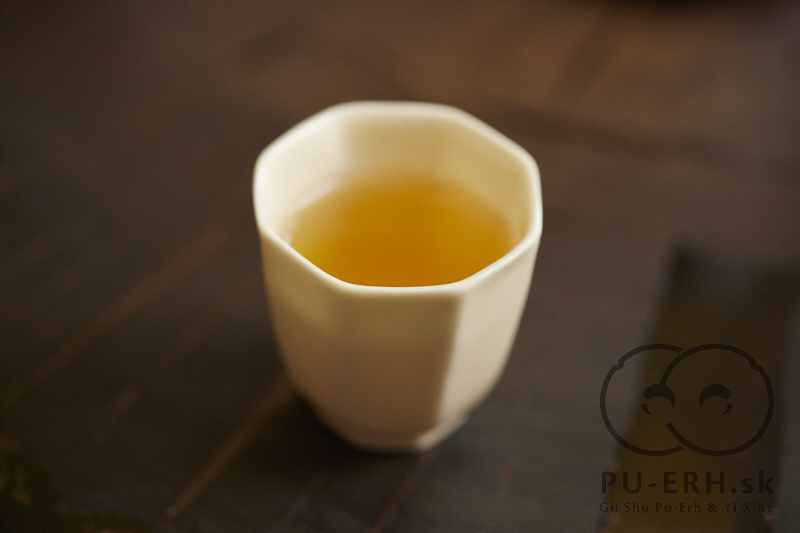
Throughout many infusions, the liquor remains thick, vibrant, and full of life. It continuously shifts between floral sweetness, honeyed notes, fresh fruit, gentle bitterness, and refreshing liveliness. The experience feels almost limitless, offering new perspectives depending on brewing style and personal preference.
More than simply a loose-leaf puerh, this is a rare opportunity to encounter one of the oldest tea trees in Veian’s gardens in its purest form. With only around one kilogram available, it represents an exceptionally small and irreplaceable portion of the harvest—a fleeting chance to experience the living character of an ancient tea tree exactly as it emerged from the spring harvest.
Názov: 766-ročný strom
Rok: jar 2026
Hmotnosť: sypaný/voľný list/maočhá
Pôvod: ekologická čajová farma Wawee Organic Tea Farm, Mae Suai, Thajsko
Podrobnosti:
Ide o tie isté listy, ktoré boli použité na výrobu limitovanej edície pu-erh bingov z druhého najstaršieho čajovníka v organických čajových záhradách Veian. Keďže niektorí milovníci čaju radi spoznávajú čerstvú maochu v jej čistej, nelisovanej podobe, rozhodol som sa ponechať malú časť úrody nealisovanú namiesto toho, aby sa všetky listy premenili na bingy.
Tým vznikla mimoriadne vzácna príležitosť. Hoci samotné bingy boli vyrobené len vo veľmi obmedzenom množstve, na sypanú maochu bolo odložené iba približne 1 kilogram listov. Pre tých, ktorí radi spoznávajú čaj v jeho najpriamejšej a najautentickejšej podobe, predstavuje táto verzia jedinečný pohľad na charakter prastarého stromu ešte predtým, než jeho ďalší vývoj začnú formovať lisovanie a roky zrenia.
Prvý nálev sa otvára pozoruhodnou sviežosťou a čistotou. Chrumkavo svieže tóny sprevádzajú jemné medové nuansy, ktoré vytvárajú jasný a príťažlivý úvod. V porovnaní s oplachom sa horkosť stáva guľatejšou a lepšie integrovanou, zatiaľ čo celkový prejav pôsobí výrazne hladšie. Postupne sa objavuje kvetinová sladkosť pripomínajúca lipový kvet a jemnú arómu citrónových kvetov, čím vzniká krásna hra medzi sladkosťou a kultivovanou horkosťou.
Ako degustácia pokračuje, čaj odhaľuje stále väčšiu komplexnosť. Okolo štvrtého nálevu sa začínajú výraznejšie objavovať ovocné tóny podporené príjemnou horkosťou a jemnou trpkosťou, ktoré zanechávajú dlhotrvajúci a uspokojivý dozvuk. Jednotlivé prvky medzi sebou nesúťažia, ale vytvárajú harmonický celok, ktorý sa nálev po náleve neustále vyvíja.
Jednou z najpôsobivejších vlastností tohto čaju je jeho energia. Už od prvého nálevu sa telom začína šíriť prirodzená vitalita. Na rozdiel od čajov, ktorých energia sa silne sústreďuje v hlave alebo na hrudi, sa energia tohto čaju rozlieva jemne a rovnomerne po celom tele. Pôsobí harmonicky, nenútene a prirodzene podporujúco, vytvárajúc stav pokojnej bdelosti namiesto intenzívnej stimulácie.
Približne od šiesteho až siedmeho nálevu začínajú horkosť a trpkosť postupne ustupovať. Na ich miesto nastupuje živá sviežosť sprevádzaná sladkými ovocnými tónmi, ktoré pretrvávajú dlho po každom dúšku. Táto premena je fascinujúca a odhaľuje ďalšiu vrstvu charakteru čaju.
Spomedzi troch prastarých čajovníkov je práve tento možno najprístupnejší a najharmonickejší. Jeho osobnosť je mimoriadne vyvážená, guľatá a hladká. Hoci pod povrchom ukrýva značnú silu, prejavuje ju s eleganciou a zdržanlivosťou. Zo všetkých troch pôsobí najrelaxačnejšie a ponúka pokojné, príjemné čajové sedenie, ktoré si od pijúceho nič nevyžaduje.
Túto jemnosť však netreba podceňovať. Pri vyššom pomere listov k vode dokáže čaj veľmi rýchlo odhaliť svoju podstatne silnejšiu stránku. Preto odporúčam používať o niečo menšie množstvo listov a pripraviť ho s nízko mineralizovanou vodou. Samotné listy sa zdajú byť mimoriadne bohaté na minerály a ďalšie látky a mäkšia voda umožňuje ich komplexnosti a elegancii naplno vyniknúť bez toho, aby sa čaj stal príliš intenzívnym.
Počas mnohých nálevov si nálev zachováva hustotu, vitalitu a plnosť. Neustále sa pohybuje medzi kvetinovou sladkosťou, medovými tónmi, sviežim ovocím, jemnou horkosťou a osviežujúcou živelnosťou. Celý zážitok pôsobí takmer bezhranične a ponúka nové pohľady na čaj v závislosti od spôsobu prípravy a osobných preferencií.
Toto nie je len ďalší sypaný puerh. Je to vzácna príležitosť stretnúť sa s jedným z najstarších čajovníkov v záhradách Veian v jeho najčistejšej podobe. Keďže bolo odložené iba približne 1 kilogram maochy, predstavuje táto ponuka mimoriadne malú a nenahraditeľnú časť úrody – krátky okamih, v ktorom možno zažiť živý charakter prastarého čajovníka presne taký, aký vznikol počas jarného zberu.






Reviews
There are no reviews yet.