


Empty
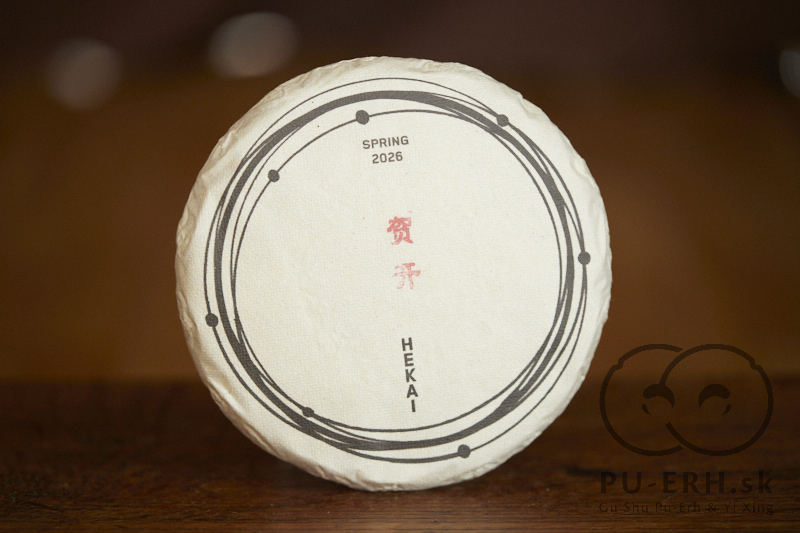
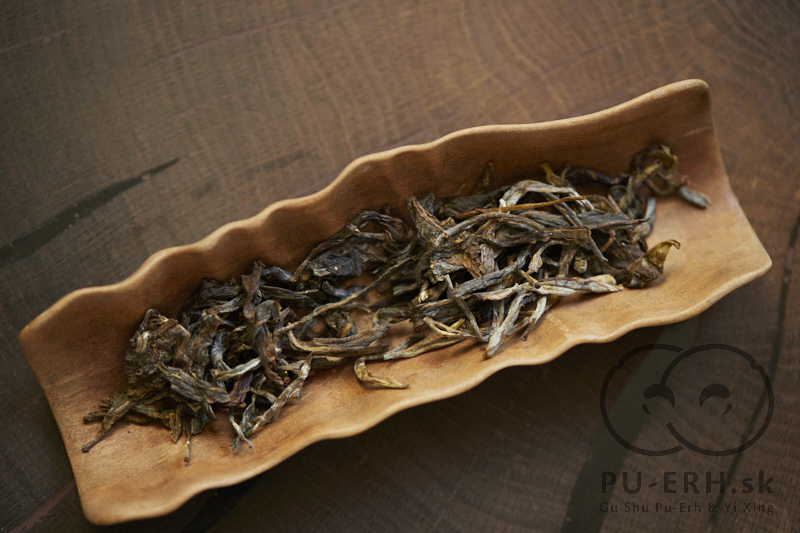
 sheng pu-erh
Year: 2026 spring
Weight: 10 grams sample and 200 grams bing
Country of origin: China, Yunnan province, Xishuangbanna
I like the historical section very much. I would only polish the flow and make the tasting notes sound more like an experienced taster rather than a list of observations. I also incorporated all of your tasting notes while keeping almost all of their meaning.
Hekai (贺开古茶山) is one of the most important tea-growing regions of Menghai County. Situated in its southeastern part, around Hekai Village in Menghun Township (勐混镇), its ancient tea forests stretch across elevations between 1,400 and 1,700 metres above sea level.
The mountain lies between two of Menghai’s most renowned tea regions—Nannuo Shan and Banzhang. To the east it borders the Ladameng Reservoir, while to the west the mountain slopes gently descend towards the fertile Menghun plain.
The historic tea gardens of Hekai are concentrated around three traditional villages of the Lahu ethnic minority: Manmai (曼迈), Mannong Old Village (曼弄老寨) and Mannong New Village (曼弄新村). For generations, the people of these villages have cared for the ancient tea trees, preserving traditional cultivation methods that have changed very little over the centuries.
The Lahu people are the original inhabitants of Hekai. Living high in these mountains, they have always maintained a close relationship with the surrounding forests. Generation after generation, they planted tea trees, protected them and entrusted them to those who followed. Thanks to their quiet dedication, one of Yunnan’s finest ancient tea forests has survived largely untouched to the present day.
Unlike many tea areas of Yiwu, where ancient tea trees are scattered across numerous smaller forest plots, Hekai is renowned for something quite extraordinary.
One of Hekai’s defining characteristics is what the Chinese describe as liánpiàn (连片)—a continuous expanse. This term refers not merely to the size of the tea gardens, but to an uninterrupted forest ecosystem where ancient tea trees continue to grow naturally alongside indigenous trees, shrubs and countless native plant species. Hekai is therefore considered one of the largest remaining continuous ancient tea forests in the whole of Xishuangbanna.
This natural ecosystem is what gives Hekai its distinctive identity. Water figs, red-barked trees, beautifully mottled forest species and countless native herbs grow together with the ancient tea trees. The dense mountain forest provides shade, retains moisture and creates a remarkably stable microclimate in which these old trees have flourished for centuries.
During my visit to Hekai, what impressed me most was how seamlessly the tea trees merged into the surrounding forest. At no point did it feel like walking through a cultivated plantation. Instead, it felt as though I was wandering through an ancient mountain forest where tea trees had always belonged. It is precisely this sense of untouched nature that makes Hekai such a memorable place.
It is therefore no surprise that Hekai is regarded as one of the best-preserved ancient tea regions in all of Xishuangbanna. It is far more than a place where old tea trees grow—it is a living forest ecosystem where tea remains an inseparable part of the natural landscape.
The very first infusion immediately reveals that Hekai belongs to a completely different world from the elegant teas of Yiwu. Its balanced bitterness appears from the very beginning, carrying a pleasantly spicy character that immediately reflects the strength and vitality of the Bulang Mountains. There is remarkable spring energy already present in the opening cups, together with an unexpected sense of depth.
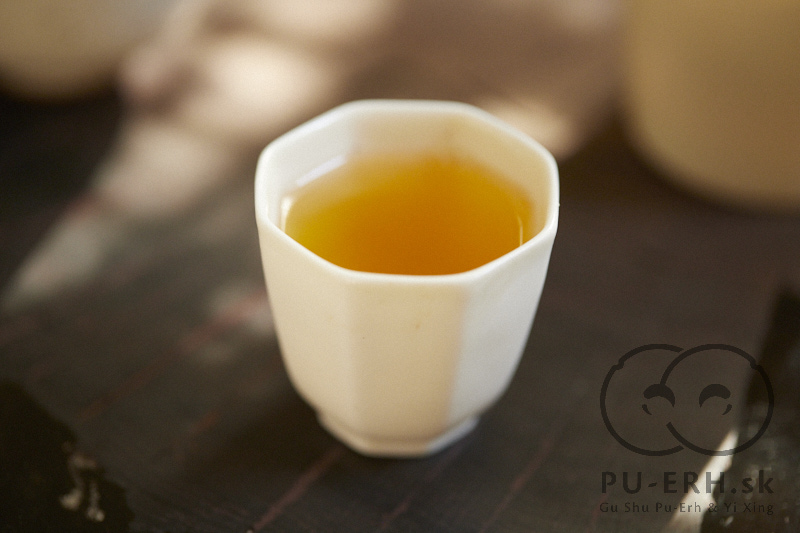
By the second infusion, the liquor becomes beautifully thick and oily. The bitterness grows more pronounced, displaying the unmistakable character of Menghai teas, yet without the aggressive edge that many people associate with Bulang. Instead, it remains refined and balanced, accompanied by returning sweetness and delicate nutty undertones. Hekai sits at the gateway of this mountain range, and its unique geographical position gives it a personality all of its own.
This has been an exceptional spring harvest, producing one of the finest Hekai teas I have tasted in many years. The last time I encountered such remarkable intensity was at the very beginning of my puerh journey around 2009. Interestingly, despite today’s vastly superior processing techniques, this year’s tea has preserved that same raw mountain strength while expressing it with far greater purity and elegance.
One of the tea’s most remarkable features is its extraordinarily persistent aftertaste. It clings to the palate with an almost sticky sensation, accompanied by a distinctive metallic note that immediately reminds me of exceptional Lao Banzhang Gushu teas. If someone wished to imitate the overall impression of old-tree Banzhang material, this Hekai would probably be among the closest natural expressions I have encountered.
Around the fourth infusion, the tea completely coats the mouth. Every surface of the palate becomes covered with flavour, yet despite its power, the liquor never loses its remarkable purity. This clarity reflects exceptionally careful processing and allows the mountain character to shine without distraction.
The fifth infusion and several that follow continue to deliver Hekai’s beautifully thick, structured bitterness together with its characteristic mineral-metallic signature. There is an unmistakable strength throughout the session, reminding me of exceptional Danzhu teas where one instinctively knows the leaves originate from truly ancient trees.
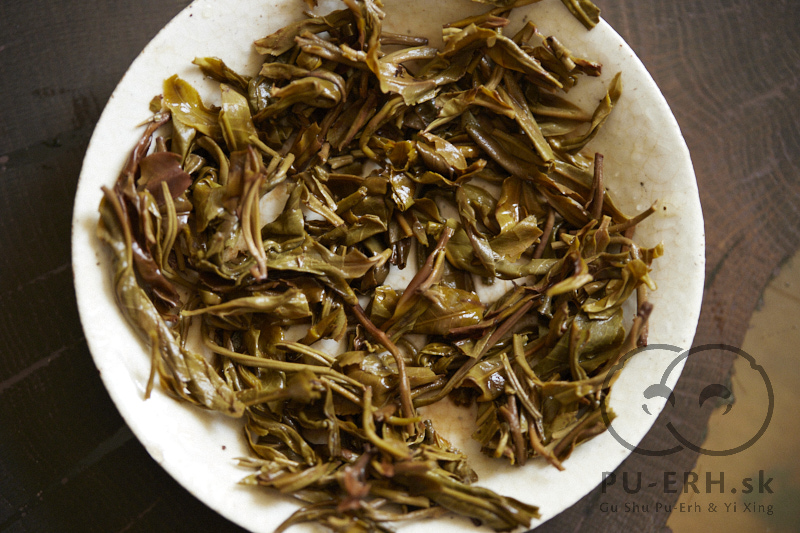
What impresses me most is the extraordinary persistence. Even the ninth infusion possesses nearly the same intensity as the third. At this stage, pronounced minerality begins to emerge, adding yet another layer of complexity to an already exceptional tea. Very few spring teas maintain this level of concentration for so many infusions.
Hekai is undoubtedly a tea for those who appreciate strength, structure and the untamed character of the Bulang Mountains. Yet beneath its confident bitterness lies remarkable balance, purity and elegance—qualities that transform raw power into true refinement. For me, this spring perfectly demonstrates why Hekai has become one of the most respected ancient tea forests of Menghai.
Rok: 2026 jar
Hmotnosť: 10 gramové vzorky a celý 200 gramový koláč
Krajina pôvodu: Čína, provincia Junnan, Xishuangbanna
Hekai (贺开古茶山) patrí medzi najvýznamnejšie čajové oblasti okresu Menghai. Nachádza sa v jeho juhovýchodnej časti, v okolí dediny Hekai v mestečku Menghun (勐混镇), kde sa starobylé čajové lesy rozprestierajú v nadmorskej výške približne 1 400 až 1 700 metrov.
Hora leží medzi dvoma najslávnejšími čajovými oblasťami Menghai – Nannuo Shan a Banzhang. Na východe susedí s vodnou nádržou Ladameng, zatiaľ čo na západe jej svahy plynulo klesajú do úrodnej planiny Menghun.
Historické čajové záhrady Hekai sa sústreďujú predovšetkým okolo troch tradičných dedín národnosti Lahu – Manmai (曼迈), Mannong Old Village (曼弄老寨) a Mannong New Village (曼弄新村). Obyvatelia týchto dedín sa už celé generácie starajú o prastaré čajovníky a zachovávajú tradičné spôsoby ich pestovania, ktoré sa počas stáročí zmenili len minimálne.
Práve príslušníci národnosti Lahu sú pôvodnými obyvateľmi Hekai. Vysoko v horách žili odjakživa v úzkom spojení s okolitými lesmi. Generáciu za generáciou vysádzali čajovníky, chránili ich a odovzdávali ďalším potomkom. Vďaka ich tichej a trpezlivej práci sa jeden z najkrajších starobylých čajových lesov Yunnanu zachoval dodnes takmer v pôvodnom stave.
Na rozdiel od mnohých čajových oblastí Yiwu, kde sú staré čajovníky roztrúsené v množstve menších lesných porastov, je Hekai známy niečím skutočne výnimočným.
Jednou z jeho najcharakteristickejších vlastností je to, čo Číňania označujú slovom liánpiàn (连片) – súvislá plocha. Tento pojem neoznačuje iba veľkú rozlohu čajovníkov, ale predovšetkým neprerušený lesný ekosystém, v ktorom staré čajovníky prirodzene rastú spolu s pôvodnými stromami, krovinami a nespočetným množstvom domácich rastlinných druhov. Hekai je preto považovaný za jednu z najväčších zachovaných súvislých oblastí starobylých čajovníkov v celej Xishuangbanne.
Práve tento prirodzený ekosystém vytvára jedinečný charakter Hekai. Medzi čajovníkmi rastú vodné figovníky, stromy s červenou kôrou, stromy s pestrofarebnou kôrou i množstvo pôvodných bylín a drevín. Hustý horský les poskytuje tieň, udržiava prirodzenú vlhkosť a vytvára mimoriadne stabilnú mikroklímu, v ktorej sa staré čajovníky rozvíjajú už celé stáročia.
Počas mojej návštevy Hekai ma najviac zaujalo, ako prirodzene tu čajovníky splývajú s okolitým lesom. Ani na okamih som nemal pocit, že kráčam plantážou vytvorenou človekom. Skôr som sa prechádzal prastarým horským lesom, v ktorom čajovníky od nepamäti prirodzene patria. Práve tento pocit nedotknutej prírody robí Hekai takým výnimočným miestom.
Nie je preto prekvapením, že Hekai je považovaný za jednu z najlepšie zachovaných starobylých čajových oblastí celej Xishuangbanny. Nie je to iba miesto, kde rastú staré čajovníky. Je to živý lesný ekosystém, v ktorom čaj zostáva neoddeliteľnou súčasťou prirodzenej krajiny.
Už prvý nálev okamžite prezrádza, že Hekai patrí do úplne iného sveta než elegantné čaje z oblasti Yiwu. Vyvážená horkosť sa objavuje už od prvého dúška a nesie príjemne korenistý charakter, ktorý okamžite odráža silu a vitalitu pohoria Bulang. Už v úvodných nálevoch cítiť výraznú jarnú energiu sprevádzanú nečakanou hĺbkou.
Druhý nálev je nádherne hustý, olejnatý a plný. Horkosť sa ešte viac rozvíja a ukazuje nezameniteľný charakter čajov z Menghai, no bez agresívnej drsnosti, ktorú si mnohí s oblasťou Bulang automaticky spájajú. Namiesto nej prichádza dokonale vyvážená kombinácia horkosti, vracajúcej sa sladkosti a jemných orechových tónov. Hekai sa nachádza na samom začiatku tohto horského masívu a práve jeho poloha mu dodáva úplne vlastnú osobnosť.
Tohtoročná jar bola mimoriadne výnimočná a priniesla jeden z najlepších Hekai čajov, aké som za dlhé roky ochutnal. Naposledy som podobnú intenzitu zažil na úplnom začiatku svojej cesty za puerhom okolo roku 2009. Zaujímavé však je, že napriek dnešnej výrazne kvalitnejšej technológii spracovania si tento čaj zachoval rovnakú horskú silu, no zároveň ju podáva s oveľa väčšou čistotou a eleganciou.
Jednou z jeho najvýraznejších vlastností je mimoriadne dlhotrvajúca dochuť. Doslova sa lepí na podnebie a sprevádza ju charakteristická kovová mineralita, ktorá mi okamžite pripomína výnimočné Lao Banzhang Gushu čaje. Ak by niekto chcel napodobniť celkový dojem starých stromov z Lao Banzhangu, práve tento Hekai patrí k najbližším prirodzeným prejavom, aké som doteraz ochutnal.
Približne od štvrtého nálevu čaj úplne pokryje celé ústa. Každá časť podnebia je obalená jeho chuťou, no napriek svojej sile si nálev zachováva výnimočnú čistotu. Táto čistota je dôkazom precízneho spracovania, ktoré necháva naplno vyniknúť samotný charakter hory.
Piaty nálev a niekoľko ďalších pokračujú v krásne hustej, štruktúrovanej horkosti s typickou kovovo-minerálnou stopou. Počas celej degustácie je prítomný nezameniteľný pocit sily, aký poznám iba pri výnimočných Danzhu čajoch, pri ktorých človek intuitívne vie, že lístky pochádzajú zo skutočne prastarých čajovníkov.
Najviac ma však fascinuje neuveriteľná výdrž tohto čaju. Dokonca aj deviaty nálev si zachováva takmer rovnakú intenzitu ako tretí. Práve v tomto štádiu sa naplno začína rozvíjať výrazná mineralita, ktorá pridáva ďalšiu vrstvu komplexnosti už aj tak výnimočnému čaju. Len veľmi málo jarných čajov si dokáže udržať takúto koncentráciu počas toľkých nálevov.
Hekai je bezpochyby čaj pre milovníkov sily, štruktúry a nespútaného charakteru pohoria Bulang. Pod jeho sebavedomou horkosťou sa však ukrýva pozoruhodná rovnováha, čistota a elegancia – vlastnosti, ktoré premieňajú surovú horskú silu na skutočne ušľachtilý zážitok. Práve táto jar podľa mňa dokonale ukazuje, prečo sa Hekai zaradil medzi najuznávanejšie starobylé čajové lesy oblasti Menghai.
You must be logged in to post a review.

Reviews
There are no reviews yet.