


Learning to drink old new teas 2
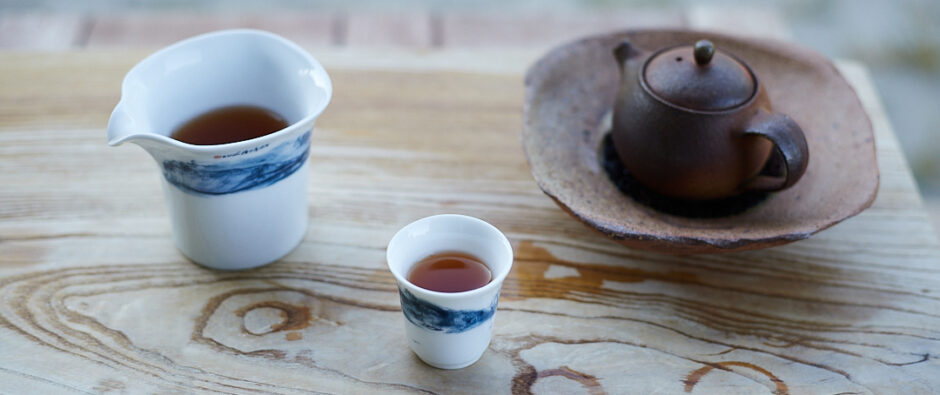
Drinking fresh sheng puerh gives us a particular flavour profile that will no longer be the same after ten or more years of storage. We may expect—or perhaps hope—for these crisp, fresh flavours to reappear later, once the tea has aged.
This can lead to disappointment, as aged tea is different in many respects—I would even say very different. This may be one reason why we in the West like to maintain a steady supply of fresh tea.
Drinking Rare3 from 2015 today, which has been stored in Jinghong, gave me this thought. The character of such a tea can be surprisingly similar to certain types of Wuyi yancha—if we set aside the roasted notes and add the mature, slightly old character and flavours that come with ageing.
Footnote: The comparison with Wuyi yancha applies particularly to sheng puerh teas with pronounced minerality, which is not a characteristic of every sheng.