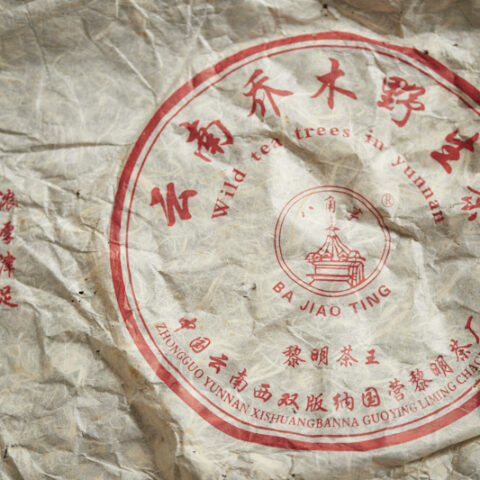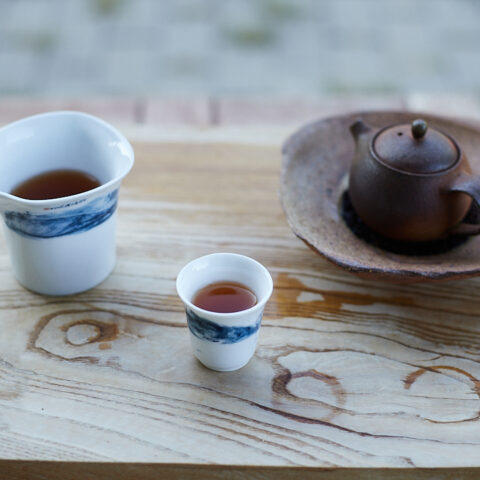


Empty








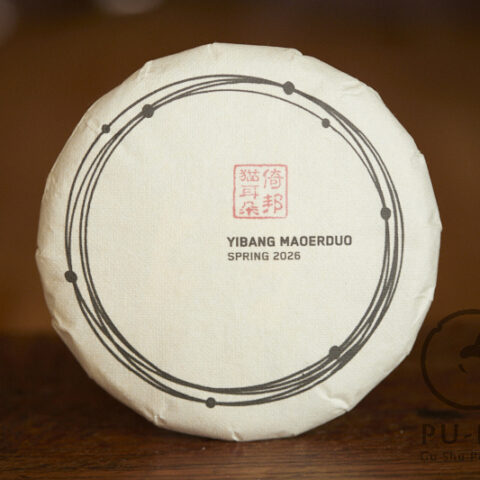
Year: 2026 spring
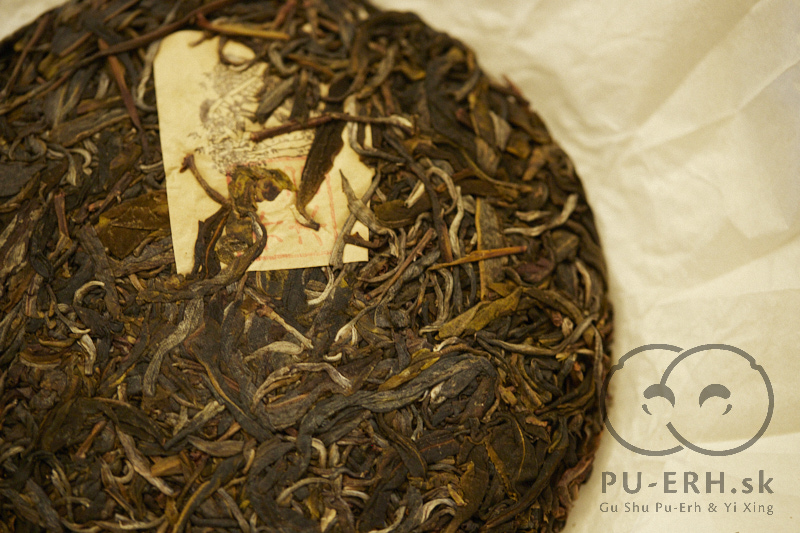
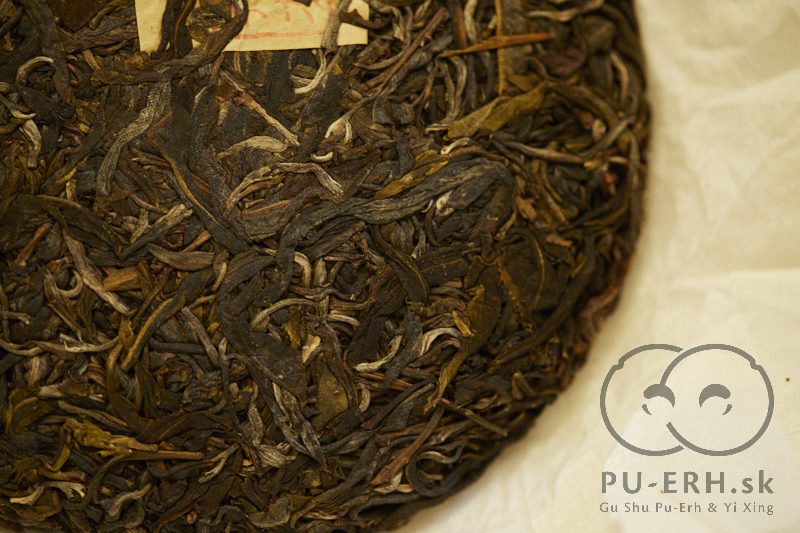
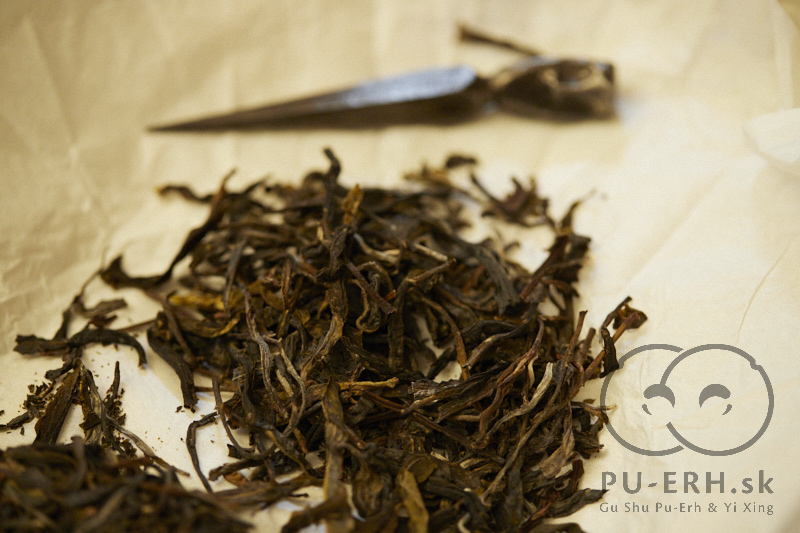
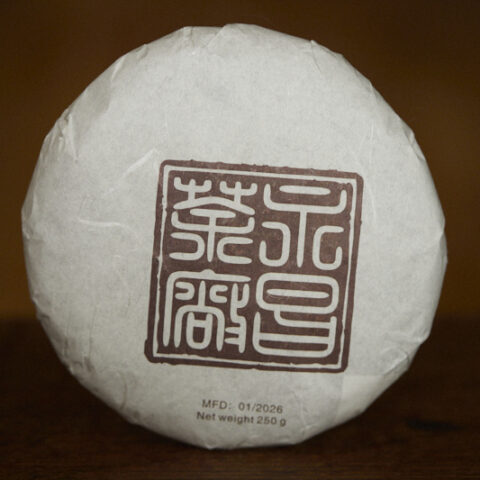
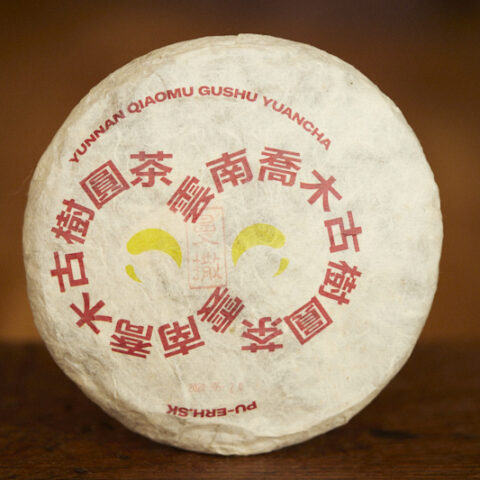
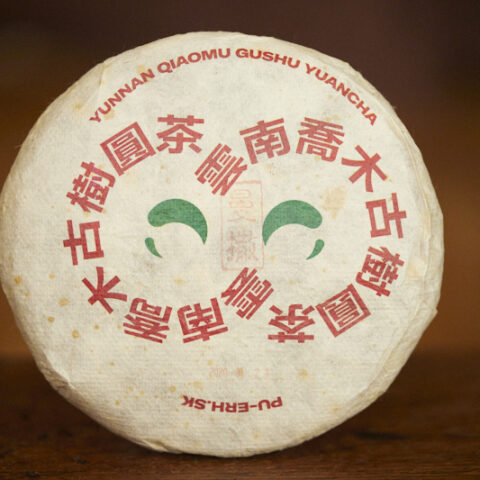
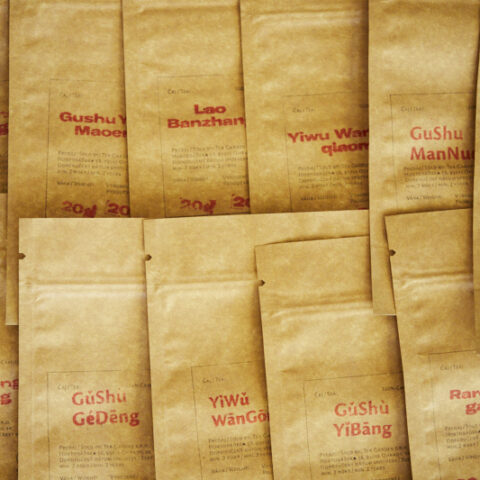
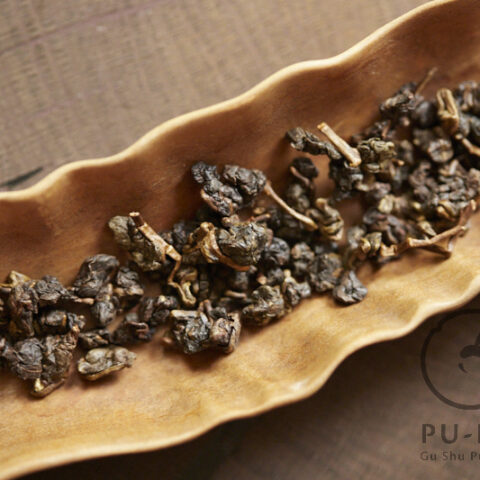
Weight: 10 grams sample and 200 grams bing
Country of origin: China, Yunnan province, Xishuangbanna
Today, Wangong (弯弓) is regarded as one of the most sought-after and prestigious tea-producing areas in the whole of Yiwu. Few people realise, however, that only two centuries ago this was not a remote mountain forest hiding ancient tea trees, but the thriving heart of one of Yunnan’s greatest tea-producing regions.
During the Qing Dynasty, the historic region of Mansa (曼撒) was among the wealthiest of the Ancient Six Tea Mountains. Dozens of villages flourished across its mountains, supporting a population of well over ten thousand people. Among the most important settlements were Wangong Dazhai (弯弓大寨) and Mansa Old Street (曼撒老街), connected by the legendary Tea Horse Road (茶马古道), along which Pu-erh tea travelled towards Tibet, Southeast Asia and the imperial courts of China.
Historical records describe Wangong as the largest village within the Mansa region, home to more than four hundred households. It was also the site of an impressive Guan Di Temple, considered the largest and most magnificent temple among all of the Ancient Six Tea Mountains.
Towards the end of the nineteenth century, tragedy struck. Repeated devastating fires, followed, according to local tradition, by epidemics and armed conflicts, gradually forced the inhabitants to abandon their villages. Trade routes shifted elsewhere, and the once prosperous settlements slowly disappeared. Stone streets, homes and temples collapsed while nature patiently reclaimed everything that had once belonged to man.
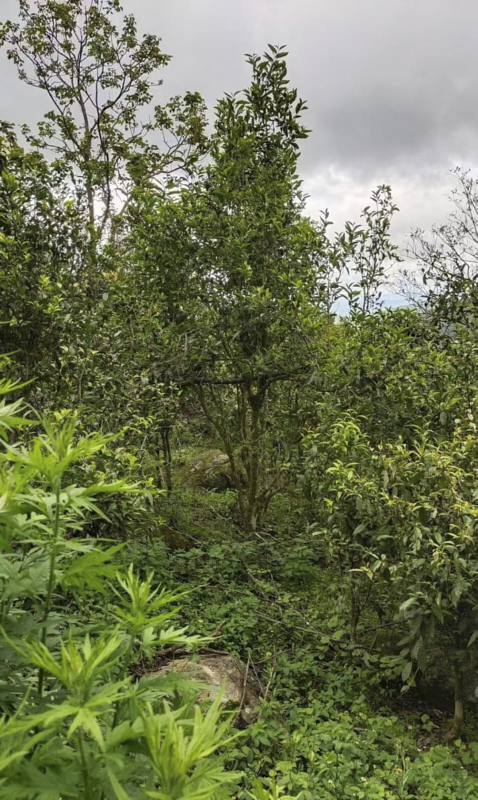
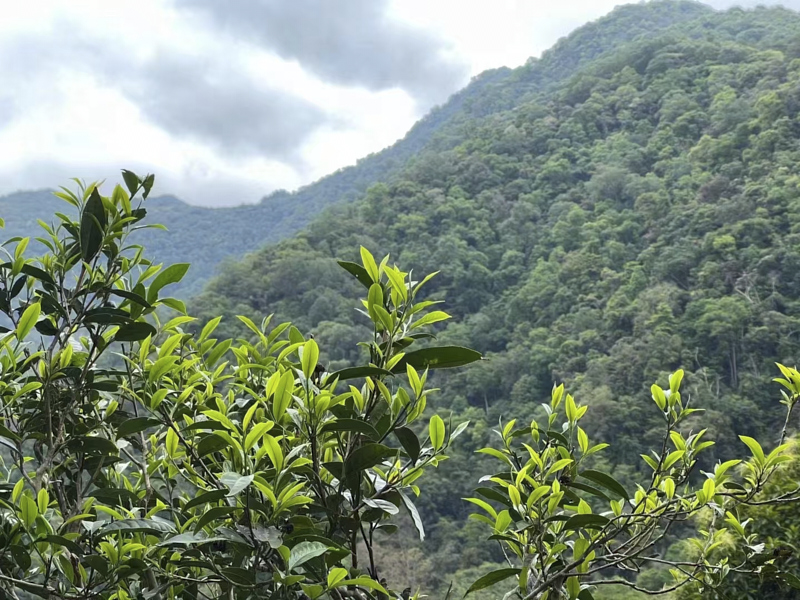
Over the following decades, subtropical mountain forests slowly enveloped the former tea gardens. Ancient tea trees remained scattered among towering forest giants, bamboo groves and dense native vegetation. Even today, Wangong bears little resemblance to a conventional tea plantation. It is a true mountain forest where ancient tea trees quietly hide far from roads and villages.
Administratively, today’s Wangong tea gardens belong to Dingjiazhai (丁家寨), a village inhabited by the Yao ethnic minority (瑶族). Our tea comes from Baichayuan (白茶园), one of Wangong’s most highly regarded tea gardens, where the tea trees continue to grow naturally within an untouched forest ecosystem.
Harvesting tea in Wangong remains exceptionally demanding. Tea pickers must cross dense mountain forests, wade through streams and follow narrow muddy trails that are often accessible only on foot or by motorcycle. The tea trees do not form continuous plantations but grow in isolated clusters scattered across the mountain slopes. Once one group of trees has been harvested, the journey continues over another ridge to reach the next hidden grove.
For this reason, people often say that every single leaf of Wangong must be earned. It is not a romantic marketing slogan but a simple description of the reality faced by those who harvest tea here every spring.
Perhaps it is precisely this long period of isolation that has preserved the extraordinary character of Wangong’s tea trees. Among experienced Pu-erh drinkers, Wangong is regarded as one of Yiwu’s greatest treasures—a place where history, untouched nature and centuries of tea cultivation have merged into a truly exceptional terroir.
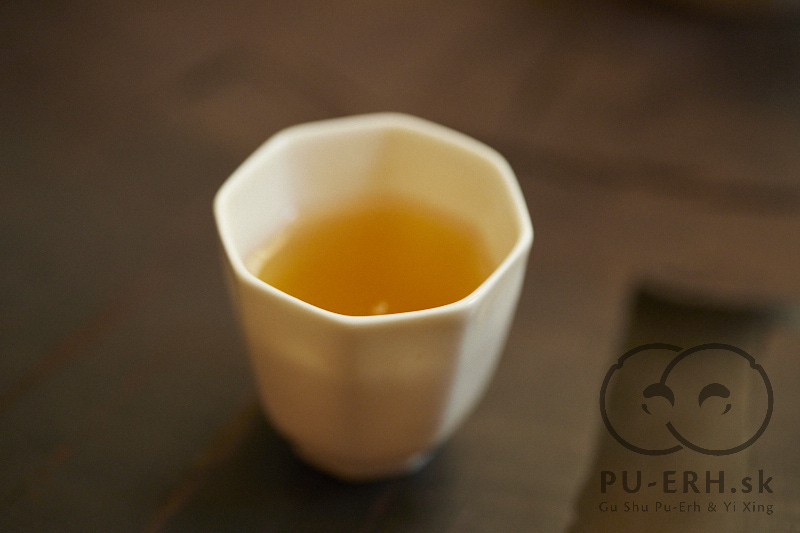
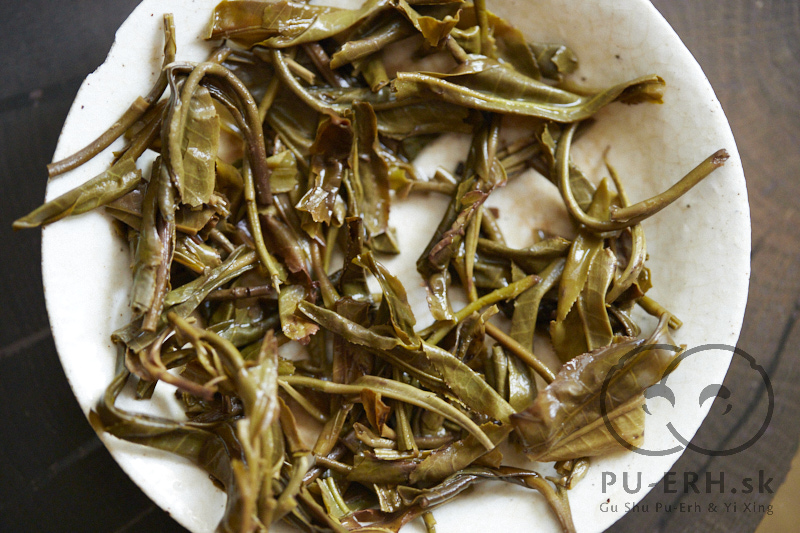
The first infusion, brewed without a rinse, opens the session with remarkable elegance. The first sip is pure and light, like a feather floating effortlessly on a mountain breeze. Its flavour is subtle, carrying delicate herbal notes and a refreshing clarity that hints at the tea’s true potential without revealing it all at once. Even after the first cup, a graceful lingering aftertaste quietly promises that the best is yet to come.
The second infusion takes the tea in a completely different direction. Suddenly the liquor becomes richer, thicker and far more expressive. After only a few sips, the mind seems to brighten. The unmistakable character of the ancient forest begins to emerge through pleasant bitterness, gentle astringency and deep earthy mountain flavours that steadily gain intensity.
By the third infusion, sweetness naturally intertwines with delicate flashes of bitterness. The tea feels vibrant and energetic, with its Cha Qi becoming immediately apparent. A particularly distinctive bitterness appears at the back of the throat, reminiscent of traditional herbal medicines prepared from wild mountain plants. It is this characteristic that makes Wangong so unique. The tea possesses remarkable strength, yet never feels coarse or aggressive. This is not the character of plantation tea but the vitality of a genuine mountain forest.
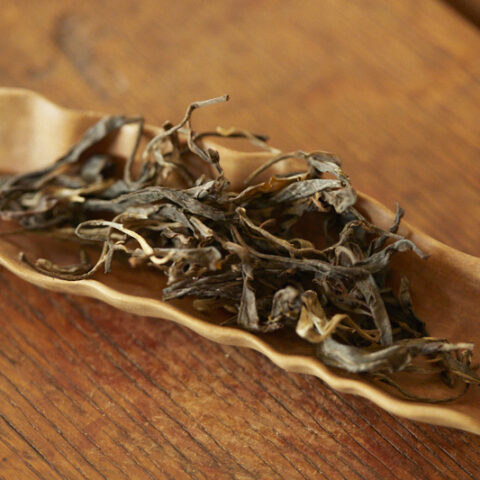
This Wangong comes from Qiaomu (乔木) tea trees—a naturally growing arbor form of the tea plant that, unlike regularly pruned plantation bushes, is allowed to develop into a tree. The Qiaomu trees in this garden reach approximately five metres in height and have been left untrimmed for decades. Their broad canopies spread naturally among the surrounding forest trees, while their roots draw nourishment from the rich mountain soil and the complex ecology of the native forest. This natural way of growing gives the tea its profound forest character, exceptional purity and remarkable complexity.
The aftertaste is extraordinarily long, carrying spicy, herbal and gently bitter notes, while the tea’s energy remains clearly present long after the final sip.
The fourth and fifth infusions reveal Wangong at its finest. The liquor becomes thick and luxurious, while the flavours unfold layer upon layer like a fireworks display. This is not the profile of a typical village-grown Yiwu tea. Instead, it reflects untamed forest tea trees that have spent decades absorbing nutrients from a rich mountain ecosystem. The extraordinary purity of the liquor is a direct reflection of the pristine environment in which these trees grow. For me, this purity remains one of the defining characteristics of truly exceptional tea.
As the session progresses, Wangong gradually softens. The liquor becomes rounder, smoother and increasingly silky, yet never loses its depth or identity. The impression of ancient forest, crystalline purity and calm, enduring energy accompanies every subsequent infusion until the very last cup. Wangong once again demonstrates why it is considered one of the finest forest teas of Yiwu—a tea that offers far more than beautiful flavours. It captures the atmosphere of an abandoned mountain forest where ancient tea trees have quietly continued their existence long after the people who once cultivated them disappeared. Every cup feels like a small journey into that forgotten landscape.
3.4€
3.4€
10€
€
€
387€
6€
7€
7€
7€
29.7€
51.4€